
11 Common Travel Items That Are Banned (or Restricted) in Other Countries
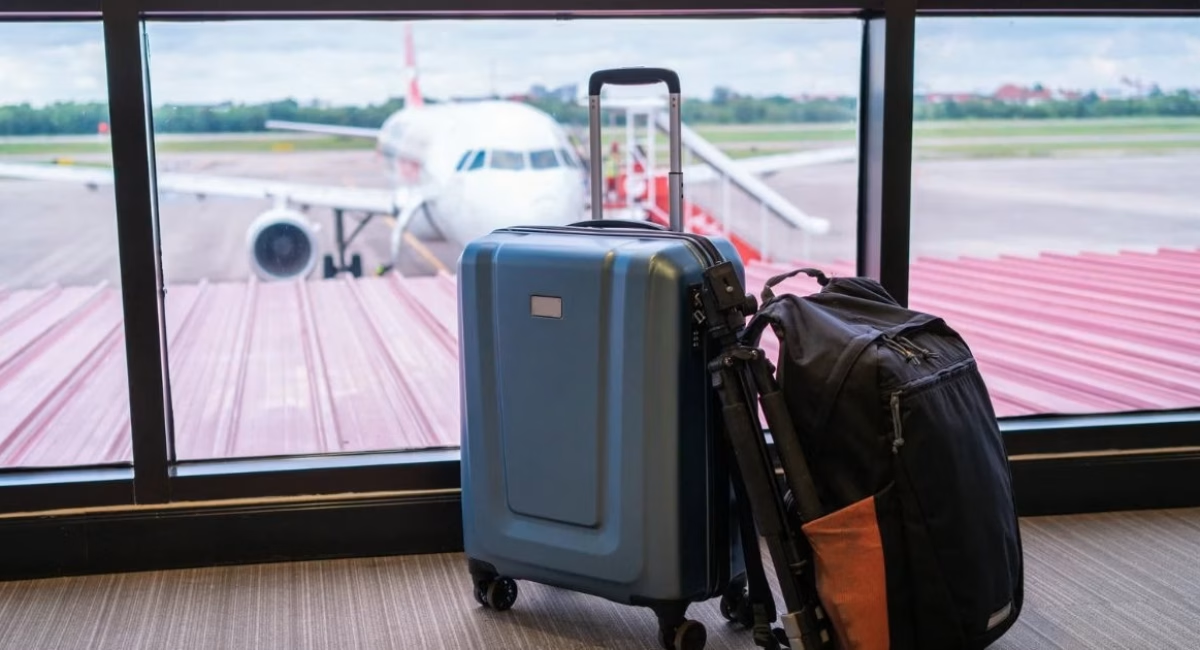
When you’re packing for an international trip, it is easy to assume that whatever clears TSA security at your local domestic airport is fine to bring anywhere in the world. Unfortunately, that assumption can land you in serious trouble with customs—or worse, result in heavy fines and detention.
According to the U.S. Department of State, everyday items that are completely legal and normal in the United States are heavily restricted or outright banned abroad. Before you zip up your suitcase, check out these 11 common travel items that could cause major issues at your international destination.
1. Common Over-the-Counter Decongestants (Pseudoephedrine)
- The Issue: Many standard cold and allergy medications containing pseudoephedrine (such as certain formulations of Sudafed) are classified as controlled substances or prohibited stimulants in countries like Japan and Mexico. Bringing even a small personal supply across borders without proper documentation can trigger drug-smuggling suspicions.
2. ADHD Medications (Adderall, Ritalin, Concerta)
- The Issue: Stimulant medications used to treat ADHD are heavily regulated or completely banned in several parts of the world, including Japan and various Middle Eastern nations. Even with a valid U.S. prescription, you often need advance ministerial approval or an official doctor’s letter translated into the destination’s native language.
3. Everyday Sleep Aids and Anti-Anxiety Meds
- The Issue: Certain prescription sleeping pills and anti-anxiety medications (benzodiazepines) contain compounds that are tightly restricted or flagged as narcotics overseas. Always verify your destination’s narcotics control laws before packing sleep or anxiety management aids.
4. Codeine and Tramadol
- The Issue: While strong prescription painkillers like codeine or tramadol are frequently prescribed in the U.S. for injury recovery or severe pain, they are treated as illegal narcotics in many countries. Travelers caught carrying them without strict, verified medical clearance risk immediate arrest.
5. Vicks VapoInhaler and Similar Nasal Decongestants
- The Issue: It sounds shocking, but standard over-the-counter nasal inhalers like Vicks VapoInhaler contain active ingredients (like levmetamfetamine) that are banned in countries with strict anti-stimulant laws, such as Japan. Bringing them can cause major headaches at customs checkpoints.
6. THC and CBD Products
- The Issue: Even if cannabis, THC vapes, or CBD gummies are legal in your home state or country, bringing them across international borders is an international drug trafficking offense. Many countries maintain zero-tolerance laws regarding cannabis products, carrying severe prison sentences.
7. Ammunition and Antique Shell Casings
- The Issue: While hunting gear or firearms might be permitted under strict transport guidelines within domestic U.S. travel, entering another country with live rounds—or even empty decorative shell casings and antique bullet souvenirs—frequently violates strict international weapons laws.
8. Fresh Produce, Meat, Seeds, and Grains
- The Issue: Agricultural protection is a top priority for customs agencies worldwide (most notably in Australia, New Zealand, and the United States). Bringing an apple, a sandwich containing meat, or raw seeds from home can introduce invasive pests or diseases, leading to heavy on-the-spot fines if declared incorrectly.
9. Loose Lithium-Ion Batteries
- The Issue: While allowed in carry-on luggage under strict limits, loose lithium-ion power banks and spare batteries are generally banned in checked luggage globally due to severe fire risks in the cargo hold. Always pack portable chargers and lithium batteries in your cabin bag.
10. Chewing Gum (Singapore)
- The Issue: While you can technically fly into Singapore with a small personal stash of gum, the sale, import, and distribution of chewing gum has been heavily restricted since 1992 to keep public spaces clean. (Exceptions exist primarily for therapeutic or nicotine chewing gum prescribed by a local pharmacist or dentist).
11. Counterfeit Designer Goods and Knockoffs
- The Issue: Returning to the U.S. with knockoff items can trigger seizures, but several European countries (such as France and Italy) enforce severe anti-counterfeiting laws upon entry. Travelers caught carrying fake designer handbags, sunglasses, or clothing can face massive fines and the confiscation of their belongings.
Tips to Avoid Customs Headaches
Keep Meds in Original Bottles: Always keep prescription drugs in their original pharmacy-labeled containers with your name clearly visible.
Check the U.S. State Department Website: Look up the specific country information page for your destination under the “Local Laws & Special Circumstances” tab.
Contact the Embassy: If you rely on prescription medication, reach out to the embassy or consulate of the country you are visiting well in advance to see if you need special permits.
Ready for Your Next International Adventure?
Traveling with purpose starts with being prepared and respecting local laws and cultures. Visit Globe Aware to learn about our short-term volunteer programs around the world and discover how you can immerse yourself in meaningful cultural exchange.
The video below walks through essential international packing tips and airport customs strategies to keep your next trip running smoothly.
Inspired by reporting from AllEars.Net

0 Comments